2%
Understanding Customer Behavior
in the ERA of Service Robots
Prof. TaeShik Gong, Division of Business Administration
- Written by. YeonJu Lee
- Photos by. ChoWon Son
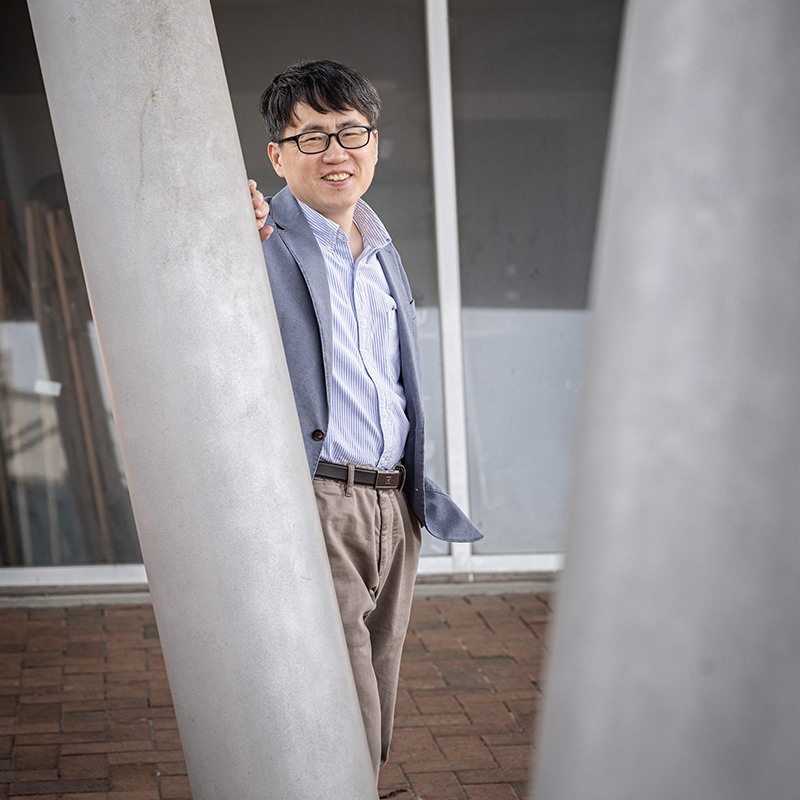


Redefining the Role of Customers Through Customer Citizenship Behavior and Dysfunctional Customer Behavior
“Being recognized among the world's top 2% of researchers is not simply a personal achievement. Rather, it reflects the collective efforts of a research community built over many years. I feel an even greater sense of academic responsibility knowing that my work connecting customer behavior with technology-based service environments has been recognized internationally as a meaningful contribution to the field of service marketing.”
Professor Gong's research centers on two key concepts: customer citizenship behavior and dysfunctional customer behavior. Customer citizenship behavior refers to voluntary actions through which customers contribute positively to service providers, while dysfunctional customer behavior encompasses negative or disruptive actions displayed within service environments. Rather than viewing customers as passive recipients of services, Professor Gong regards them as active participants who help shape service experiences alongside providers. His research has highlighted how these contrasting forms of customer behavior can generate both positive and negative outcomes for organizations and marketing activities. Since his graduate school years, his work has underscored the importance of developing a more sophisticated understanding of customer behavior, providing an important foundation for service design and policy development.
Among his most highly cited research topics is customer value co-creation behavior, which conceptualizes customers as active participants in service delivery and value creation. His studies have contributed to redefining the role of customers within the field of service marketing through the lens of customer citizenship behavior. At the same time, his empirical research on dysfunctional customer behavior has increased understanding of its causes and consequences, including employee burnout and service sabotage within organizations. Professor Gong has also worked to establish conceptual clarity and develop systematic measurement scales that can be readily applied in future studies. As a result, his research has provided both theoretical frameworks and measurement tools that have been widely adopted by various scholars.
The significance of his work has grown even further in today's rapidly changing service environment, where advanced technologies are transforming the way services are delivered. His research offers valuable insights into the challenges emerging from technological innovation and provides an important foundation for developing effective marketing strategies in response.
“The service industry is undergoing rapid transformation through the adoption of automation, artificial intelligence, and robotic technologies. While these changes bring significant benefits in terms of efficiency and productivity, they can also create negative consequences, including psychological burdens, stresses, and weakened interpersonal connections for both customers and employees.”
Kiosks, which have become widespread with the expansion of unmanned services, as well as service technologies such as service robots, can encourage customer participation and enhance the overall service experience. At the same time however, they may increase cognitive burden and stress, creating the potential to trigger dysfunctional customer behavior. Within management, service, and marketing research, service robots and human–robot interaction have become increasingly active areas of discussion. Professor Gong has recently been examining the psychological mechanisms and behavioral outcomes that emerge in relation to service robots. His work has particularly drawn attention from the academic community for identifying how customers and employees respond to robots through phenomena such as robot service failures, robot abuse, and robot anthropomorphism.
“Researchers should do more than simply produce theories. I believe we must interpret the changes facing society and related industries and help provide direction. From this perspective, I hope to continue conducting research that offers a balanced view during this important transition toward service automation and human-technology interaction.”
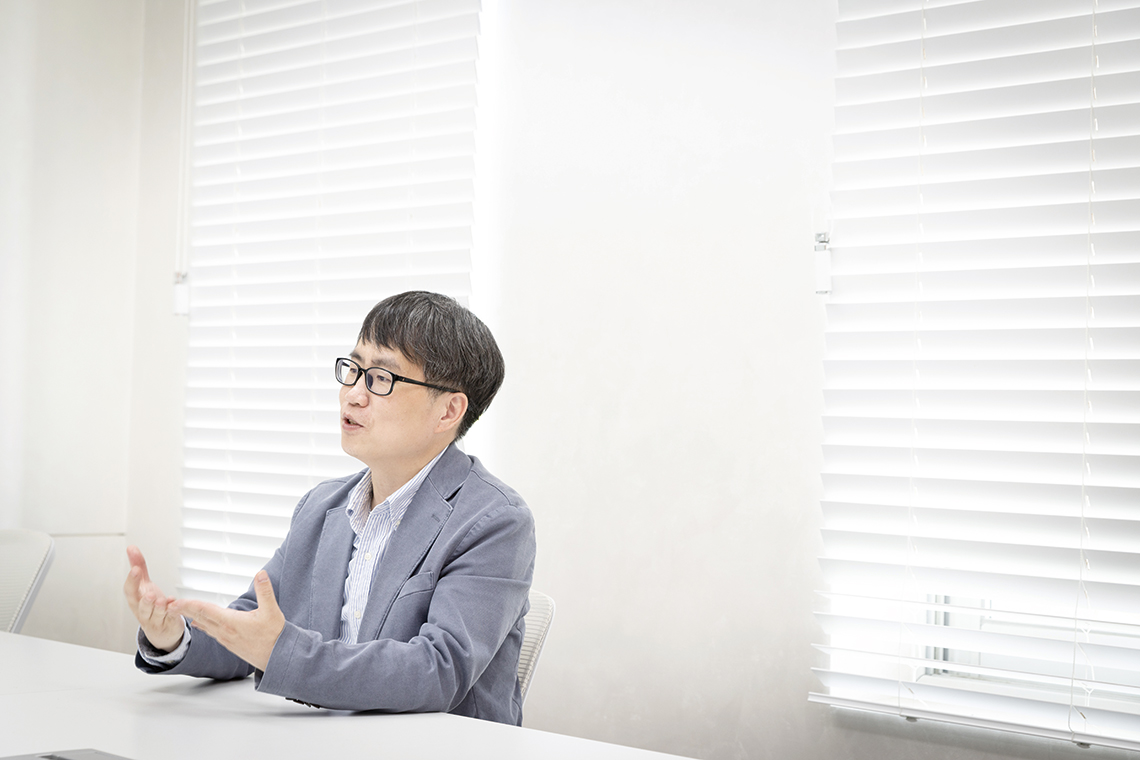 Professor TaeShik Gong has contributed to the global research community through studies that connect customer behavior with technology-based service environments in the field of service marketing.

Researchers should do
more than produce theories.
We must interpret the changes
facing society and industries
and help provide direction for the future.

Service Industry Reconfigured Around Human–Robot Interaction
At CES 2026 in Las Vegas, a wide range of humanoid robots designed to coexist with humans in everyday life were unveiled and were competing for attention. The event made one thing increasingly clear: humanoid robots, artificial intelligence, and automated services are no longer concepts of the future: they have become part of our daily lives. While these innovations have significantly improved our quality of life by enhancing efficiency and convenience, they also raise new questions about how people interact with technology. Robots increasingly take on service roles is necessitating the reconsideration of not only human behavior and psychological responses to robot-delivered services, but also broader perceptions of robots and the evolving nature of human–robot interaction.
“New standards for evaluating services are emerging as interactions with technology become more commonplace. Because these interactions involve both humans and robots, concepts such as emotion, fairness, and responsibility must be understood and applied in entirely new ways.”
For members of the workforce, robots can be perceived as either a threat that may replace their jobs or as collaborative partners that help them perform their work more effectively. Customers may find services delivered by robots more convenient or in some cases, less satisfying than those traditionally provided by human employees. These experiences can gradually reshape perceptions of robots and encourage people to view them not merely as tools but as active service providers. Discussions surrounding the morality of robots have emerged from this evolving relationship. Some argue that genuine humanity cannot be created from services generated through algorithms, while others contend that sufficiently sophisticated algorithms can be designed to incorporate moral characteristics. In many ways, people are already learning about these issues through their everyday interactions with robots and automated service technologies. Professor Gong emphasizes that responding to these changes requires moving beyond a technology-centered perspective toward a more human-centered approach to service design.
“Organizations must develop integrated strategies that consider not only efficiency, but also customers’ psychological experiences and emotional responses. At the policy level, a balanced approach is equally important, one that takes into account the social implications of technological adoption.”
Looking ahead, Professor Gong plans to continue expanding his research on service robots in response to ongoing changes in markets and industries. His current projects examine how customers come to perceive robots as moral agents and how such perceptions influence behavior. He is also investigating the conditions under which customer participation in technology-based service environments transform into psychological burden and stress. In addition, he is conducting research on social contagion and empathy mechanisms that emerge when customers observe the behaviors of other customers within service settings. Ultimately, these studies aim to contribute to an integrated theoretical framework for understanding interaction in an era where humans and technology coexist.
“My goal is to deepen our understanding of the relationship between technology and people within service marketing. Through this work, I hope to generate not only academic contributions but also practical value for industries and society.”
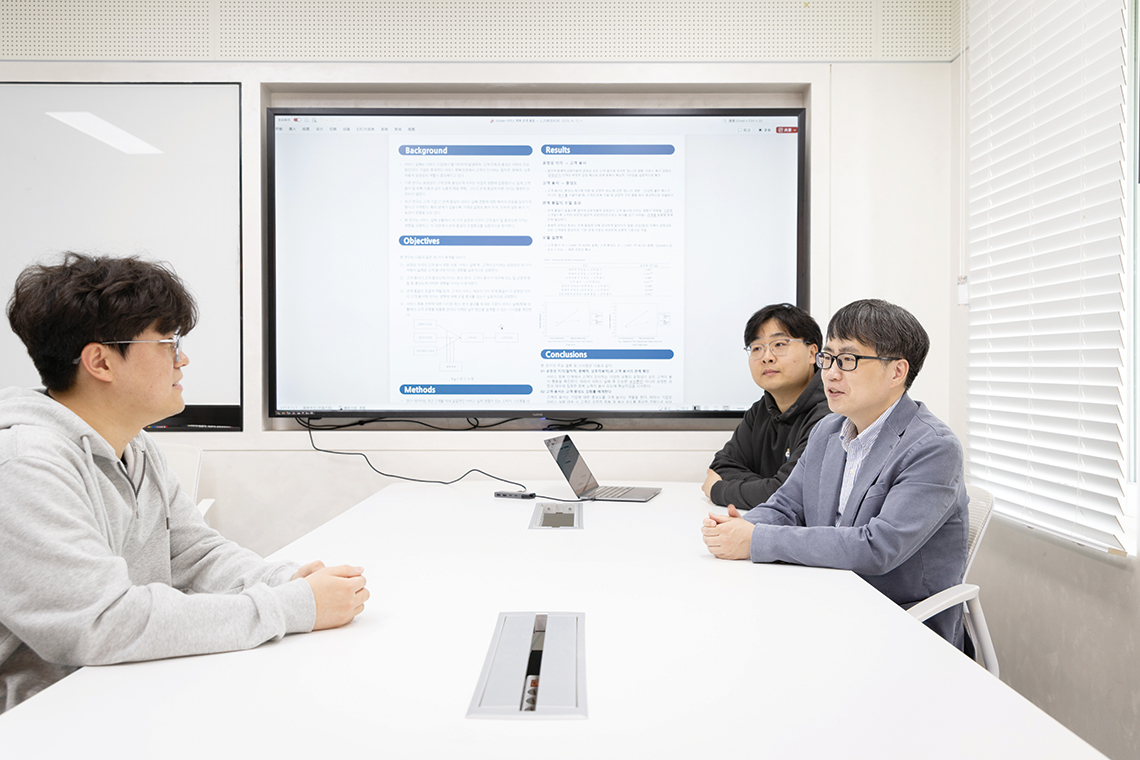 Professor Gong continues to pursue research that offers a balanced perspective on service automation and human–technology interaction.
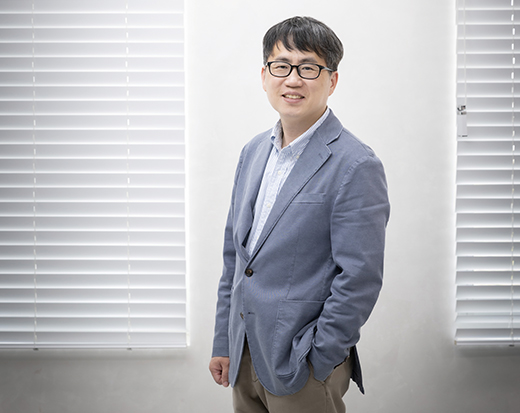

Selected as One of Elsevier’s World Top
2% Scientists in 2025
Prof. TaeShik Gong, Division of Business Administration
Major Research Experience
- 2014 - Present.Professor of Marketing, Division of Business Administration, College of Business and Economics, Hanyang University ERICA
- 2011- 2014.Assistant Professor, University of Strathclyde Business School, United Kingdom
- Associate Editor, Journal of Consumer Marketing, Current Psychology
- Published extensively in leading SSCI-indexed journals, including Journal of Service Research, Journal of Business Research, Cornell Hospitality Quarterly, International Journal of Hospitality Management, and Journal of Services Marketing
- Elsevier World Top 2% Scientist (2022, 2024, 2025)
- Recipient of numerous research awards, including the Hanyang University Outstanding Faculty Award and the HYU Academic Award