LAB
Expanding the Horizons of Cultural Heritage Research From Tangible and Intangible Heritage to AI Platforms
Institute of Cultural Heritage Studies
- Written by. YeongIm Park
- Photos by. HyeonGu Lee
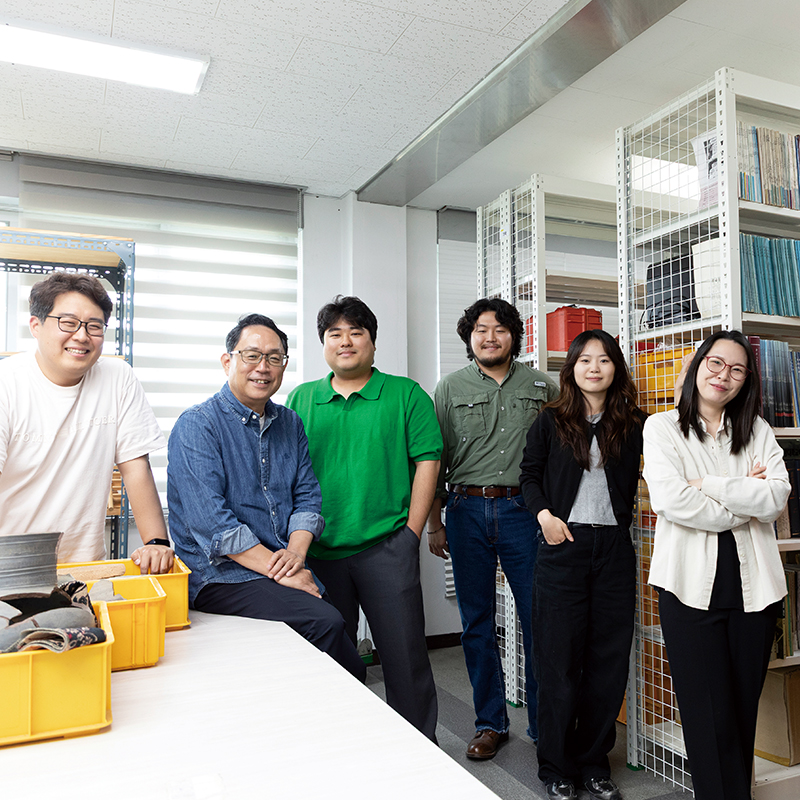 The Institute of Cultural Heritage Studies was registered as a Cultural Heritage Survey Institution under the former Cultural Heritage Administration (now the Korea Heritage Service) and has conducted more than 380 cultural heritage research projects commissioned by government agencies, local governments, and private organizations.


Conducting More Than 380 Cultural Heritage Research Projects
The Institute of Cultural Heritage Studies has carried out archaeological excavations at nationally designated historic sites such as Dangseong Fortress in Hwaseong, which was a strategic military stronghold during the Three Kingdoms period. The institute has also conducted studies of intangible heritage concepts including village belief systems in the Seoul and GyeongGi regions, in more than 380 cultural heritage research projects commissioned by government agencies, local governments, and private organizations. Since its early years, the institute has been registered as a Cultural Heritage Survey Institution with the former Cultural Heritage Administration (now the Korea Heritage Service), and collaborates on archaeological excavations and forensic investigations of human remains, while also working to enhance the academic value of Korea’s cultural heritage.
“The Institute of Cultural Heritage Studies was established in 1999, when demand for buried cultural heritage investigations increased alongside rapid national development projects. Over the years, we have built an extensive record of research across diverse fields, ranging from tangible to intangible heritage items, and we take pride in being one of Korea’s leading university research institutes in this field.”
The explanation comes from Director ShinWon Ahn of the Institute of Cultural Heritage Studies. For its achievements, the institute was selected as an Outstanding Research Institute in 2006, designated as a Promising Research Institute by the National Research Foundation of Korea in 2010, and has been recognized nine consecutive times as either an Outstanding or Excellent Research Institute in biennial evaluations conducted between 2009 and 2024. While its early work focused primarily on buried cultural heritage sites and included archaeological surveys and excavations, the institute has steadily expanded its research scope. Today, its areas of expertise encompass the areas of intangible heritage, museums and cultural spaces, analyses of organic archaeological materials such as human and animal remains, and World Heritage studies.
“In 2017, under a policy allowing only one specialized buried cultural heritage investigation institution per university, those functions were consolidated under the Hanyang University Museum, and the Institute relinquished its designation as a specialized excavation institution. Since then, we have continued to broaden our research portfolio and pursue new directions.”

Director ShinWon Ahn of the Institute of Cultural Heritage Studies.
The Institute of Cultural Heritage Studies is one of Korea’s leading university research institutes. Through research covering both tangible and intangible heritage items, museum studies, and the analysis of important excavated materials, we have built a distinguished record of achievements across multiple fields.
Cultural Heritage Studies
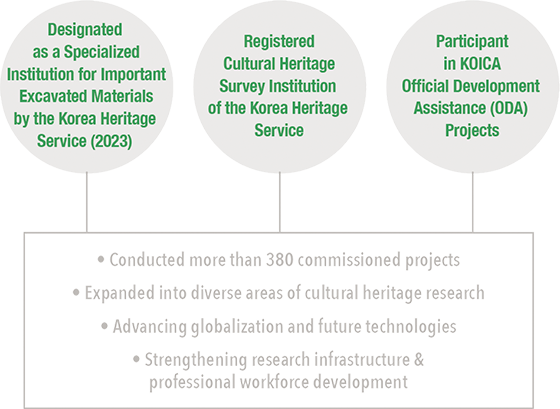
Cultural Heritage Research Goes Beyond Archaeological Excavation
As a result of its continued efforts to diversify cultural heritage research, the institute has undertaken numerous projects related to National Intangible Cultural Heritage and was selected in 2024 for a support program linking universities and specialized high schools with National Intangible Cultural Heritage community-based traditions. Intangible heritage includes community traditions such as village rituals, tug-of-war festivals, and pansori (a traditional Korean musical storytelling genre). Because such heritage lacks physical form, research is conducted through fieldwork, participant observation, interviews, and oral history methodologies.
“Another area the institute has been actively pursuing in recent years is research on museums and cultural spaces. For example, we have developed mid- to long-term development plans for museums affiliated with the National Museum of Korea, conducted feasibility studies for new museum projects such as the Chungju Museum, and carried out collection classification and management projects. This year, we are also conducting research on the reorganization of permanent exhibition galleries at the Daegu National Museum and developing exhibition concepts for its Clothing Culture Hall.”
In 2023, the Institute was also designated by the Korea Heritage Service as a specialized institution for important excavated materials that include human remains, mummies, animal bones, plant remains, and other organic materials recovered through archaeological excavations. Until revisions were made to the Act on the Protection and Investigation of Buried Cultural Heritage in 2022, research on such materials remained relatively limited. Human remains in particular were often avoided as research subjects. Recognizing the historical value of organic materials at an early stage however, the institute began systematically collecting such materials in the early 2000s. This long-term commitment contributed to its designation as a specialized institution in the field. Over the past three years, the institute has conducted analyses of human remains, animal bones, and soil samples, generating new insights into the diets and subsistence economies of ancient Koreans. The Institute was re-designated as a Specialized Institution for Important Excavated Materials this year, allowing it to continue related research activities for another three years.
“We have been able to expand our research areas thanks to our researchers, who specialize in diverse fields including museology, tangible and intangible heritage, archaeology, World Heritage and Heritage Management, and archaeological science. We also maintain a comprehensive range of research equipment, including 3D artifact scanners, GPS survey instruments, total stations, drones, artifact measurement systems, centrifuges, freeze dryers, and mass spectrometers.”
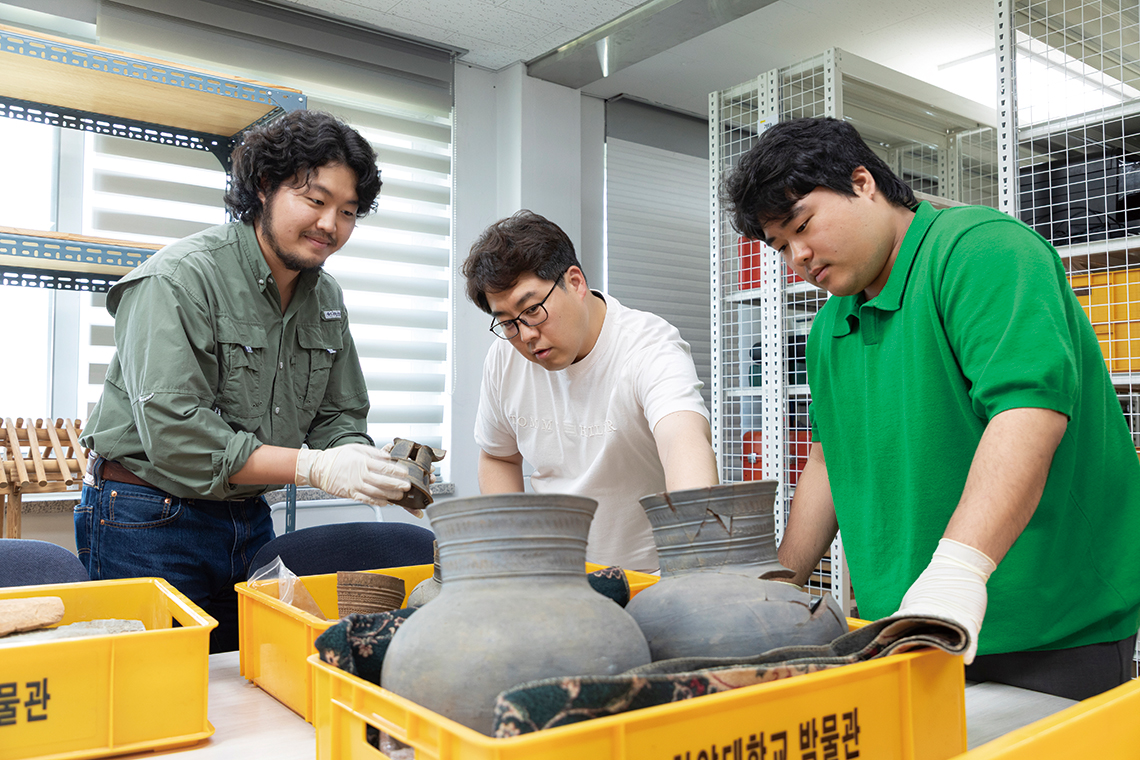
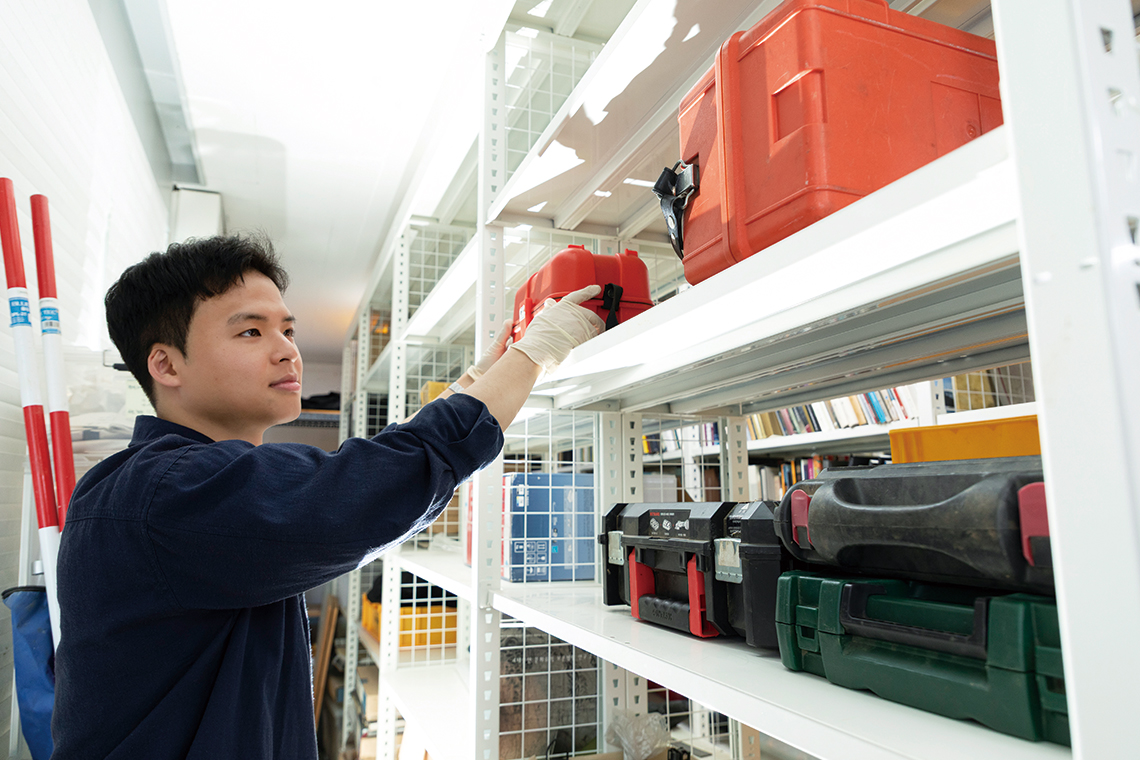
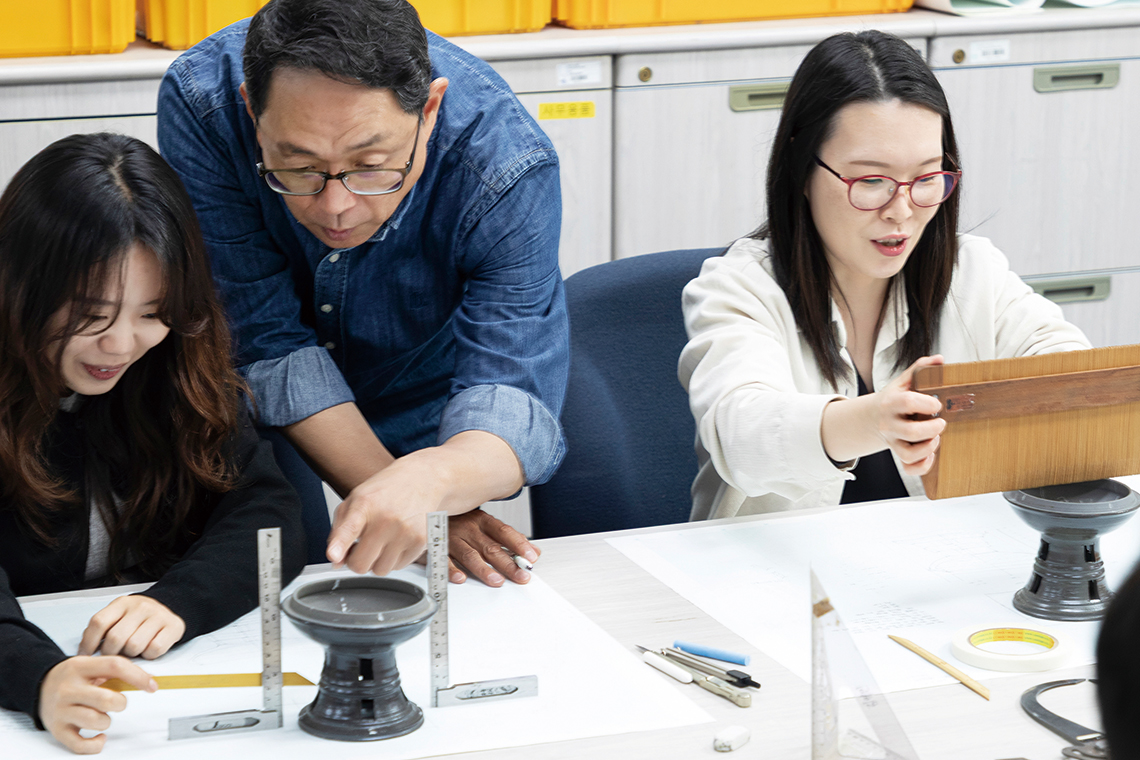
The institute was designated as a Specialized Institution for Important Excavated Materials by the Korea Heritage Service in 2023. Beginning this year, the institute has launched a project to study the nomination of the Jeongok-ri Paleolithic Site in Yeoncheon, one of Korea’s most representative Paleolithic sites, for inclusion on UNESCO’s Tentative List of World Heritage Sites.
Advancing a Cultural Heritage Digital Platform
When tangible and intangible cultural heritage sites are inscribed on the World Heritage List, they provide an opportunity to showcase the excellence of Korean culture to a global audience. As a result, both central and local governments devote significant effort toward pursuing World Heritage designation. The Institute of Cultural Heritage Studies also conducts research related to World Heritage inscription, including analyzing agendas discussed by the UNESCO World Heritage Committee and developing inscription strategies. Beginning this year, the institute has launched a project to study the nomination of the Jeongok-ri Paleolithic Site in Yeoncheon, one of Korea’s most representative Paleolithic sites, for inclusion on UNESCO’s Tentative List of World Heritage sites.
“Securing World Heritage inscription requires considerable time and effort. Simply preparing an application that meets UNESCO’s standards can take approximately three years. At present, there is a shortage of World Heritage specialists. To address this issue, we plan to encourage participation in activities such as attending World Heritage Committee meetings, analyzing agenda items, and conducting related research projects, while expanding opportunities for student involvement.”
The institute also participates in Official Development Assistance (ODA) projects supported by the Korea International Cooperation Agency (KOICA). One example is its involvement in preliminary research for the conservation and restoration of Preah Pithu Temple and the Terrace of the Elephants within the Angkor Archaeological Park in Cambodia. As AI technologies become increasingly integrated into society, new initiatives are emerging to standardize cultural heritage surveys and research data through AI-based archiving systems and information-sharing platforms. In response to this trend, the institute is exploring ways to incorporate AI technologies through collaboration with the Hanyang University Museum, the Department of Cultural Anthropology, and technology-related departments within Hanyang University.
“The number of government-funded projects applying AI technologies to cultural heritage research has increased dramatically in recent years. We are currently collaborating with the Hanyang University Museum to develop an Open AI platform for artifact classification and buried cultural heritage research, and the project is now nearing completion. Going forward, we aim to cultivate researchers in this field and play a leading role in advancing cultural heritage research through the integration of AI technologies.”
The Institute of Cultural Heritage Studies is now entering a new phase of growth and innovation.